Lower Back Pain & Sciatica: Why the Pain Keeps Coming Back—and What It Actually Takes to Feel Better
An integrative approach to reducing pain, restoring movement, and supporting long-term recovery.
Lower back pain is one of the most common reasons people seek treatment.
And for many, it’s not a one-time problem.
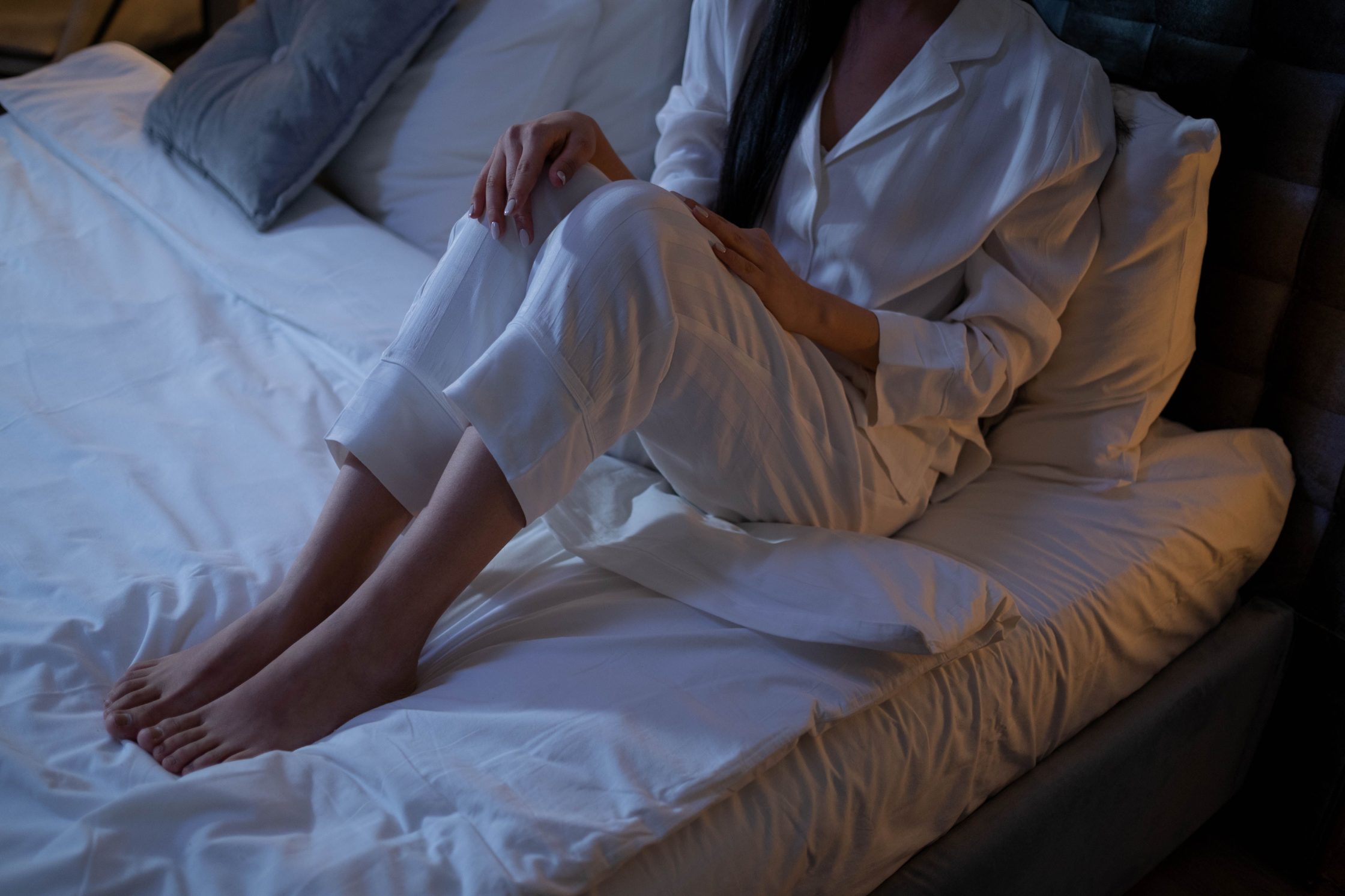
You bend over to pick something up and suddenly feel a sharp pain. You spend too many hours sitting at your desk and your lower back starts aching. Or you wake up with pain that travels from your lower back through your buttock and down your leg.
You rest. You stretch. You take an anti-inflammatory. Maybe you get a massage or try physical therapy.
You feel better for a while.
Then the pain returns.
Why does lower back pain keep coming back—and why can sciatica be so difficult to get rid of?
At Herb + Ōhm, we believe the answer begins with understanding what’s contributing to your pain rather than simply focusing on where it hurts.
Our goal is to identify the factors we can address, develop a personalized treatment plan, and help you return to the activities you enjoy.
Understanding Lower Back Pain and Sciatica
Although lower back pain and sciatica are often discussed together, they’re not exactly the same.
What Causes Lower Back Pain?
Lower back pain can originate from several structures, including muscles, ligaments, spinal joints, discs, and surrounding tissues.
Common contributing factors include:
- Muscle strains and overuse
- Prolonged sitting or repetitive movements
- Degenerative changes in the spine
- Disc-related conditions
- Reduced strength or movement tolerance
- Certain inflammatory or medical conditions
In many cases, more than one factor contributes to the pain.
This is why simply treating the area that hurts isn’t always enough.
What Is Sciatica?
Sciatica refers to pain that travels along the distribution of the sciatic nerve, often because a nerve root in the lower spine is irritated or compressed.
Common symptoms include:
- Pain radiating from the lower back into the buttock or leg
- Burning, shooting, or electric-like sensations
- Tingling or numbness
- Pain that worsens with sitting or certain movements
- Weakness in the affected leg in some cases
A herniated disc or spinal stenosis can contribute to sciatica, although other conditions can produce similar symptoms.
Not all leg pain is sciatica, and not all lower back pain comes from a disc problem.
Understanding the source of your symptoms is an important part of developing an effective treatment plan.
Why Does Lower Back Pain Keep Coming Back?
For many patients, recurring back pain isn’t simply the result of one weak muscle or one bad movement.
Several factors can contribute.
1. Reduced Strength and Movement Capacity
When back pain develops, people naturally begin avoiding movements that hurt.
While temporarily modifying activity can be helpful, prolonged inactivity can lead to stiffness, reduced strength, and lower tolerance for everyday movement.
This can make it harder to return to normal activities comfortably.
2. Repetitive Stress and Daily Habits
Long hours at a desk, physically demanding work, repetitive lifting, and sudden increases in activity can all contribute to back pain.
It’s not necessarily that sitting or bending is inherently harmful.
Rather, spending too long in one position or repeatedly exceeding your body’s current capacity can aggravate symptoms.
3. Nerve Irritation
When a nerve root in the lower spine becomes irritated, symptoms can extend into the buttock or leg.
In these situations, stretching the painful area or massaging the lower back doesn’t always address the source of the problem.
4. Persistent Pain Sensitivity
When pain continues for weeks or months, the nervous system can become more sensitive to pain signals.
This is sometimes called pain sensitization.
It doesn’t mean the pain is imagined. It means the way the nervous system processes pain can change over time.
5. Stopping Treatment Too Soon
Sometimes patients stop treatment as soon as the pain becomes manageable.
They return to their usual activities without fully rebuilding movement tolerance, strength, or confidence.
As a result, symptoms can return.
Feeling better is important. But helping those improvements last is just as important.
This is one reason our Three Phases of Healing are central to how we treat patients.
When Is Back Pain or Sciatica a Warning Sign?
Most episodes of lower back pain are not caused by a dangerous condition.
However, some symptoms require immediate medical attention.
Seek emergency evaluation if back pain is accompanied by:
- New difficulty urinating or loss of bladder or bowel control
- Numbness around the groin or saddle area
- New or rapidly worsening leg weakness
- Severe symptoms following significant trauma
Back pain accompanied by fever, unexplained weight loss, or a history of cancer also warrants prompt medical evaluation.
These symptoms can indicate conditions that require medical assessment rather than routine conservative care.
Why Temporary Pain Relief Isn’t Always Enough
Many approaches can help manage lower back pain.
Physical therapy, exercise, movement education, and appropriate medication are all valuable tools.
But sometimes patients find themselves in a frustrating cycle:
Pain → Treatment → Temporary Relief → Pain Returns
The problem isn’t necessarily that the original treatment didn’t work.
It’s that symptom relief and long-term recovery aren’t always the same thing.
Temporary relief can make daily life easier, but it doesn’t automatically restore movement tolerance or prepare the body for activities that previously aggravated symptoms.
Our goal isn’t simply to quiet the pain. It’s to help you regain function and maintain your progress.
That’s why we believe in a phased, individualized treatment approach.
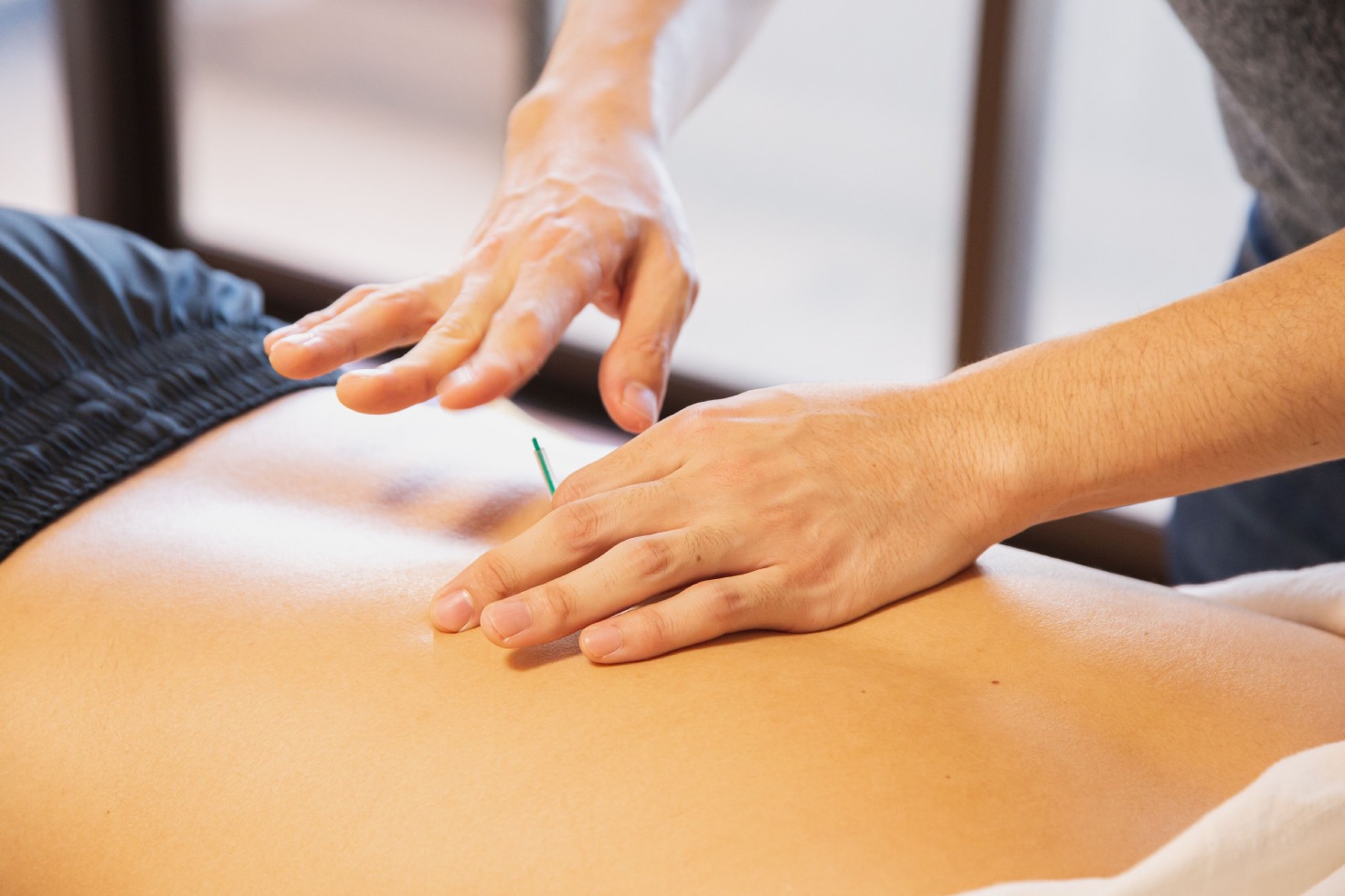
How Acupuncture Helps Lower Back Pain and Sciatica
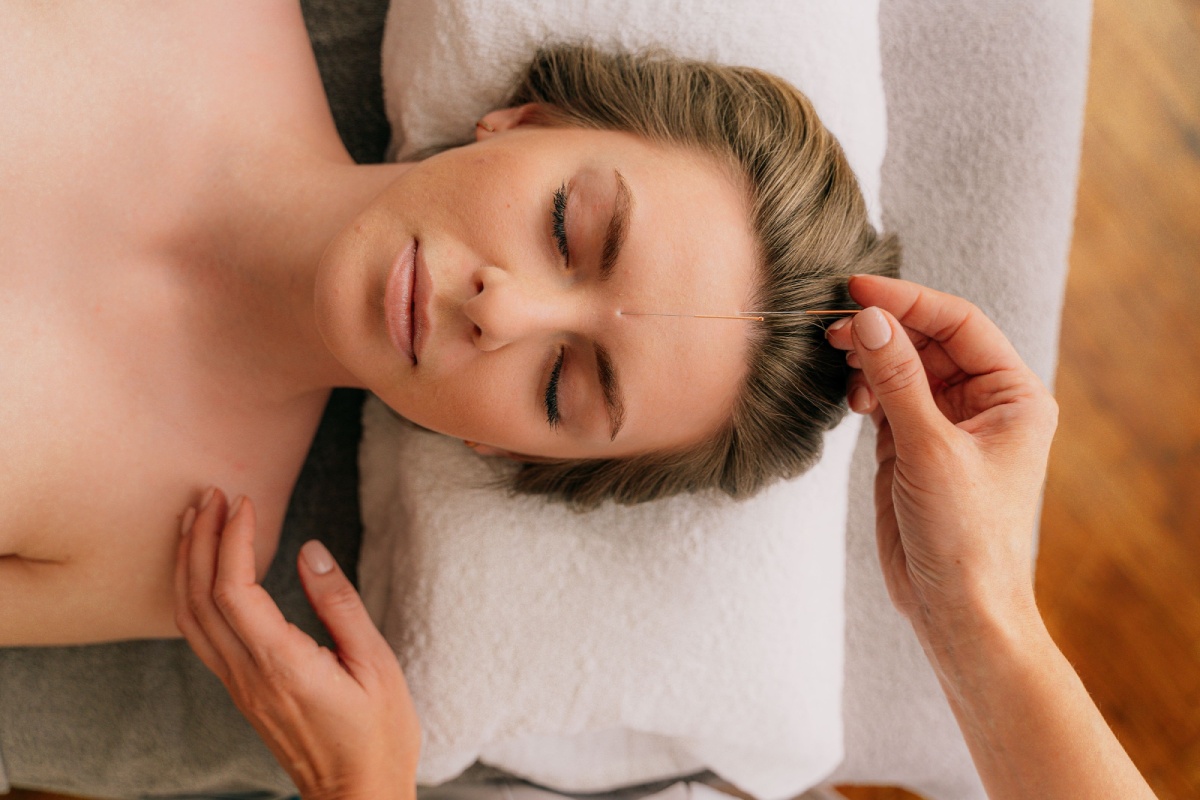
Acupuncture is an effective nonpharmacologic treatment option for many people experiencing chronic lower back pain.
It works through interactions with the nervous system and the body’s natural pain-modulating processes.
For patients with lower back pain, acupuncture can help:
- Reduce pain and discomfort
- Ease associated muscle tension
- Improve comfort during everyday movement
- Support better physical function
- Complement exercise and rehabilitation
What About Sciatica?
Acupuncture is also used to manage pain associated with sciatica.
For appropriate patients, treatment focuses on relieving pain, reducing surrounding muscle tension, supporting the body’s natural healing processes, and restoring more comfortable movement.
Because sciatica can involve irritation or compression of a spinal nerve root, we take a comprehensive approach to understanding the underlying condition and identifying the most appropriate combination of therapies.
Our goal is not simply to reduce pain temporarily, but to support healing, improve function, and help patients return to their normal activities.
What Makes Herb + Ōhm Different?
At Herb + Ōhm, we specialize in complex conditions and work with patients who are tired of dealing with recurring or persistent symptoms.
Our approach combines acupuncture, Chinese medicine, and advanced healing technologies to create a personalized treatment experience.
Rather than assuming every patient with lower back pain needs the same treatment, we look at the larger picture.
Where is the pain located? Does it radiate down your leg? What movements aggravate it? How long have you experienced symptoms? What treatments have you already tried?
We also consider how pain is affecting your sleep, work, activity level, and overall quality of life.
Acupuncture, Chinese Medicine & Advanced Healing Technologies
One of the things that makes Herb + Ōhm unique is our ability to combine multiple therapeutic approaches strategically.
Depending on your condition and individual needs, your treatment plan can include:
- Acupuncture: Our foundational treatment for pain management, muscle tension, and supporting the body’s natural pain-regulating processes.
- Chinese Herbal Medicine: Individualized herbal recommendations when appropriate, based on your health history and traditional Chinese medicine assessment.
- Cupping Therapy: A traditional Chinese medicine technique that uses suction to relieve muscle tightness, encourage local circulation, and reduce discomfort in the lower back and surrounding muscles.
- Low-Level Laser Therapy (LLLT): A noninvasive light-based therapy used for selected musculoskeletal pain and tissue-related concerns.
- Microcurrent Therapy: Gentle electrical stimulation incorporated into certain pain-management treatment plans.
- Infrared Heat Therapy: Therapeutic warmth used to ease muscle tightness and improve comfort.
- Vibration Therapy: A complementary modality used to address physical tension and support comfortable movement.
Not every patient needs every technology.
We choose the combination of therapies that best matches your symptoms, condition, and treatment goals.
This strategic approach allows us to provide more individualized care than a one-size-fits-all treatment model.
A Note From Dr. Amy
“One of the most frustrating things about back pain is that patients can feel better for a few weeks and then suddenly find themselves right back where they started. I want to understand why that keeps happening. Our goal isn’t just to get someone through their current episode of pain. It’s to help them make meaningful progress and develop a plan for maintaining it.”
— Dr. Amy Wolf, DACM, L.Ac., FABORM
Suggested quote for Dr. Amy’s approval.
Our Three Phases of Healing: Relief, Stabilization & Maintenance
At Herb + Ōhm, we organize treatment around Three Phases of Healing.
We discuss these phases from the beginning because patients deserve to understand not only how we plan to address their pain, but also how we intend to support their progress over time.
Phase 1: Relief — Reducing Pain and Restoring Comfort
During the initial phase, our priority is reducing pain and helping you function more comfortably.
For someone with lower back pain, that might mean sitting through a workday, sleeping more comfortably, walking longer, or moving with less discomfort.
For someone with sciatica, we also monitor changes in radiating pain and other nerve-related symptoms.
The goal is meaningful improvement in the symptoms interfering most with your daily life.
Phase 2: Stabilization — Making Your Improvement More Consistent
As pain improves, our focus shifts toward helping those improvements become more consistent.
We monitor how your symptoms respond to daily activities and whether you’re able to return to movement more comfortably.
Appropriate strengthening, physical therapy, and activity modifications can also be important during this phase.
This is where we focus on building lasting progress rather than repeatedly starting over.
Phase 3: Maintenance — Protecting Your Progress
Once symptoms are better controlled and function has improved, some patients benefit from periodic maintenance care.
This can be especially valuable for individuals with physically demanding jobs, recurring pain patterns, or ongoing musculoskeletal challenges.
Maintenance care is individualized based on your needs and progress.
Our goal isn’t simply to help you get out of pain. It’s to help you stay active and protect the improvements you’ve worked hard to achieve.
Five Ways to Support Your Lower Back Between Treatments
Professional care is one part of recovery, but what you do between appointments also matters.
1. Keep Moving
For most uncomplicated lower back pain, prolonged bed rest is not recommended.
Walking and gentle movement help maintain mobility and physical capacity.
2. Build Strength Gradually
A progressive strengthening program can improve your ability to tolerate everyday activities.
A physical therapist or qualified rehabilitation professional can help you identify an appropriate program.
3. Change Positions Throughout the Day
If sitting aggravates your symptoms, take regular movement breaks.
You don’t necessarily need perfect posture. You need opportunities to change positions and move comfortably.
4. Pay Attention to Radiating Symptoms
If certain movements consistently worsen leg pain, numbness, or weakness, seek professional guidance rather than pushing through.
5. Support Your Overall Recovery
Adequate sleep, regular movement, and stress management all contribute to how your body handles pain and recovers.
Frequently Asked Questions About Acupuncture for Lower Back Pain and Sciatica
Does acupuncture work for lower back pain?
Yes. Acupuncture is a recognized nonpharmacologic treatment option for chronic lower back pain. It can reduce pain and improve function, particularly when incorporated into a comprehensive care plan.
Can acupuncture help sciatica?
Acupuncture can help manage pain associated with sciatica, reduce muscle tension, and support more comfortable movement. We tailor treatment to each patient’s symptoms and overall condition.
How many acupuncture treatments are needed for lower back pain?
Treatment recommendations depend on your symptoms, how long you’ve been experiencing pain, and how you respond to care. We develop a personalized plan and monitor your progress through our Three Phases of Healing.
Should I rest or exercise when I have sciatica?
Gentle activity is generally encouraged, but movement should be appropriate for your symptoms. New or worsening weakness, significant numbness, or other concerning symptoms require medical evaluation.
Can acupuncture be combined with physical therapy?
Absolutely. Acupuncture and physical therapy can complement each other. Acupuncture addresses pain and discomfort while rehabilitation focuses on restoring strength, mobility, and physical function.
You Don’t Have to Accept Recurring Back Pain as Your Normal
When lower back pain or sciatica keeps returning, it can begin to affect every part of your life.
You think twice before exercising. Sitting through a workday becomes uncomfortable. Travel feels daunting. Even ordinary activities become frustrating.
But recurring pain doesn’t mean you’re destined to live with it forever.
At Herb + Ōhm, we want to understand what’s contributing to your symptoms and create a personalized treatment plan that helps you move toward better function and quality of life.
By combining acupuncture, Chinese medicine, and advanced healing technologies with our Three Phases of Healing, we take a comprehensive approach to relieving pain and supporting long-term recovery.
Ready to Get Back to Living Without Constantly Thinking About Your Back?
Schedule a consultation at Herb + Ōhm.
We’ll review your symptoms, discuss your health history, and develop a personalized treatment plan if our approach is appropriate for your needs.
Herb + Ōhm Acupuncture & Integrative Medicine
Downtown Chicago | North Shore — Bannockburn Coming Soon
BOOK YOUR CONSULTATION →