Anxiety & Mental Overload: Why Your Mind Won’t Slow Down—and How to Feel Like Yourself Again
An integrative approach to calming the nervous system, relieving stress, and restoring balance.
October is here, and for many of us, life seems to be moving faster than ever. School routines are in full swing, work responsibilities are piling up, the holidays are approaching, and the mental load of managing everything can feel overwhelming.
But sometimes the problem isn’t simply having too much to do.
It’s that your mind and body can’t seem to slow down, even when you finally have the opportunity to rest.
You may feel exhausted but unable to relax. Your thoughts race when you lie down at night. Small frustrations feel bigger than they should. You struggle to concentrate, feel constantly on edge, or wake up already thinking about everything you need to accomplish.
Sometimes we call this stress. Sometimes it’s anxiety. Sometimes it feels like your brain has 25 tabs open and you can’t close any of them.
At Herb + Ōhm, we believe these symptoms deserve more than being told to take a deep breath, meditate, or simply manage your stress better.
The real question is: Why is your nervous system having such a difficult time returning to a state of calm?
And more importantly, what can we do to help?
Understanding Anxiety and Mental Overload
Anxiety isn’t just worrying about something.
It affects your nervous system, muscles, digestion, sleep, energy, and ability to think clearly.
When your brain perceives stress or pressure, your body’s stress-response systems activate. Hormones such as cortisol and adrenaline prepare you to respond to whatever challenge you’re facing.
This is useful in short bursts.
But when stress becomes constant, your body can remain in a heightened state of alertness, making it increasingly difficult to relax and recover.
Common Signs of Anxiety and Mental Overload
- Racing thoughts or constant worrying
- Difficulty falling or staying asleep
- Neck, shoulder, or jaw tension
- Digestive discomfort
- Headaches or migraines
- Irritability or emotional sensitivity
- Brain fog and difficulty concentrating
- Fatigue despite adequate rest
- Feeling overwhelmed by ordinary responsibilities
- A persistent feeling of being on edge
Many people experience several of these symptoms at the same time.
That’s because the nervous system influences nearly every part of the body.
When stress becomes chronic, the effects rarely stay confined to your mind.
Why Your Nervous System May Be Struggling to Reset
There isn’t always one cause of anxiety or mental overload.
More often, several factors are working together.
1. Chronic Stress and Nervous System Overload
Work deadlines, parenting responsibilities, relationship challenges, financial pressures, and constant digital stimulation can create an ongoing sense of urgency.
Over time, your body becomes accustomed to being on alert, making it harder to transition into a relaxed state.
2. Poor Sleep and Inadequate Recovery
Sleep and anxiety often reinforce each other.
Anxiety interferes with sleep, while insufficient sleep makes your brain more reactive to stress the following day.
Without adequate recovery, even manageable responsibilities can begin to feel overwhelming.
3. Hormonal Changes
Hormonal fluctuations during your menstrual cycle, perimenopause, and menopause can influence mood, sleep, and stress sensitivity.
For some women, anxiety that appears suddenly in their 40s is connected to hormonal changes, even when they’ve never previously struggled with anxiety.
4. Physical Tension and Discomfort
Chronic muscle tension, headaches, digestive symptoms, and pain contribute to the body’s overall stress burden.
When your body is uncomfortable, it becomes even more difficult for your nervous system to settle down.
5. The Mental Load of Modern Life
Mental overload isn’t always about how many tasks you’re physically completing.
It’s also about how much you’re constantly remembering, anticipating, planning, and managing.
This is especially common among parents, caregivers, professionals, and people who feel responsible for keeping everything running smoothly.
Even when they sit down, their minds are still working.
Why Managing Stress Isn’t Always Enough
Meditation, exercise, breathing exercises, therapy, and healthy sleep habits are all valuable tools for managing anxiety.
But sometimes they’re not enough.
You can understand intellectually that you need to relax while your body continues to experience racing thoughts, muscle tension, digestive discomfort, and difficulty sleeping.
That’s because anxiety isn’t simply a matter of thinking differently.
It also involves physical stress responses that can become difficult to regulate.
The goal isn’t just to tell your mind to calm down. It’s to help your body find its way back to a calmer state.
This is where acupuncture and integrative medicine become valuable.
How Acupuncture Helps Anxiety and Stress
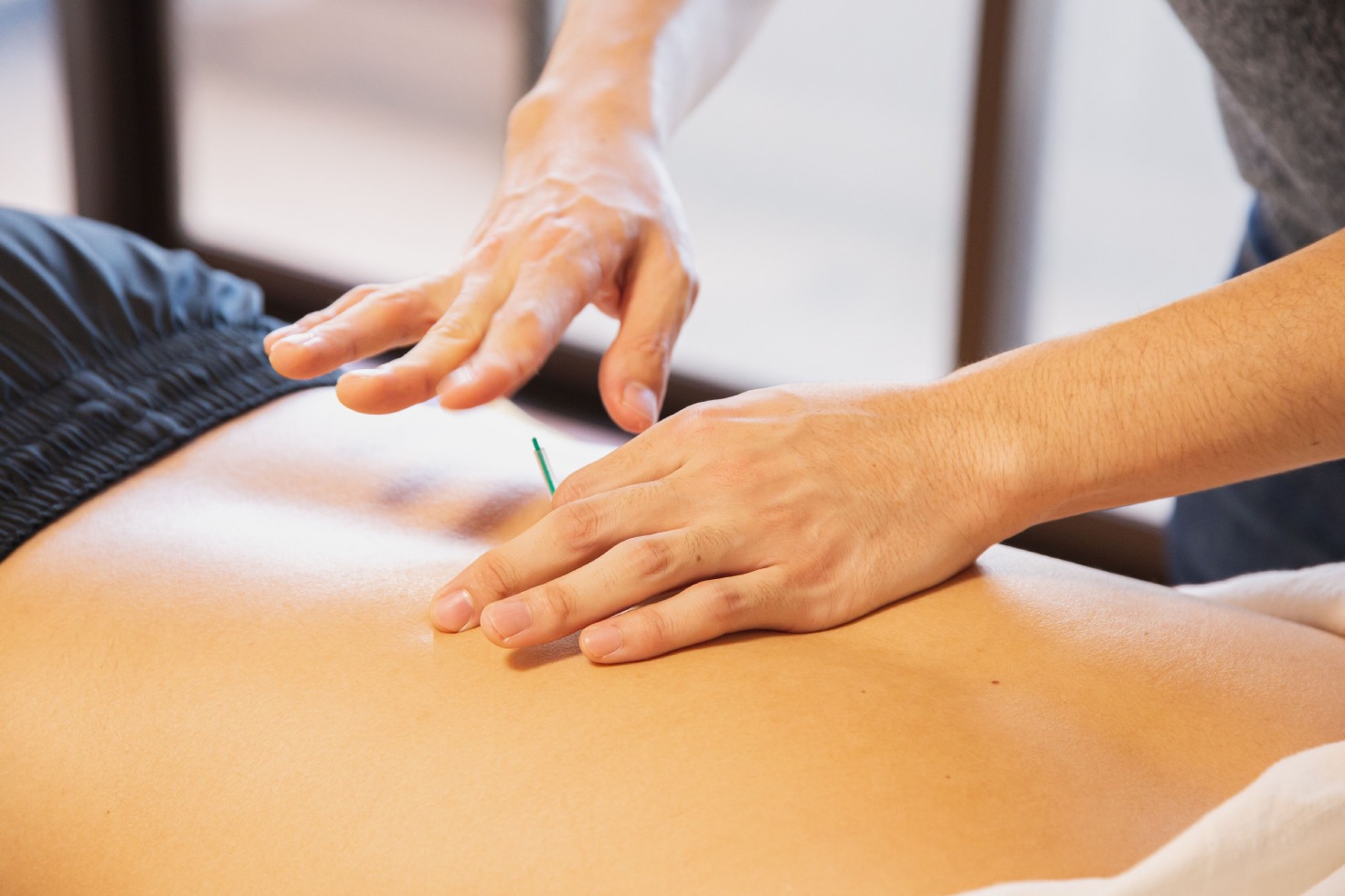
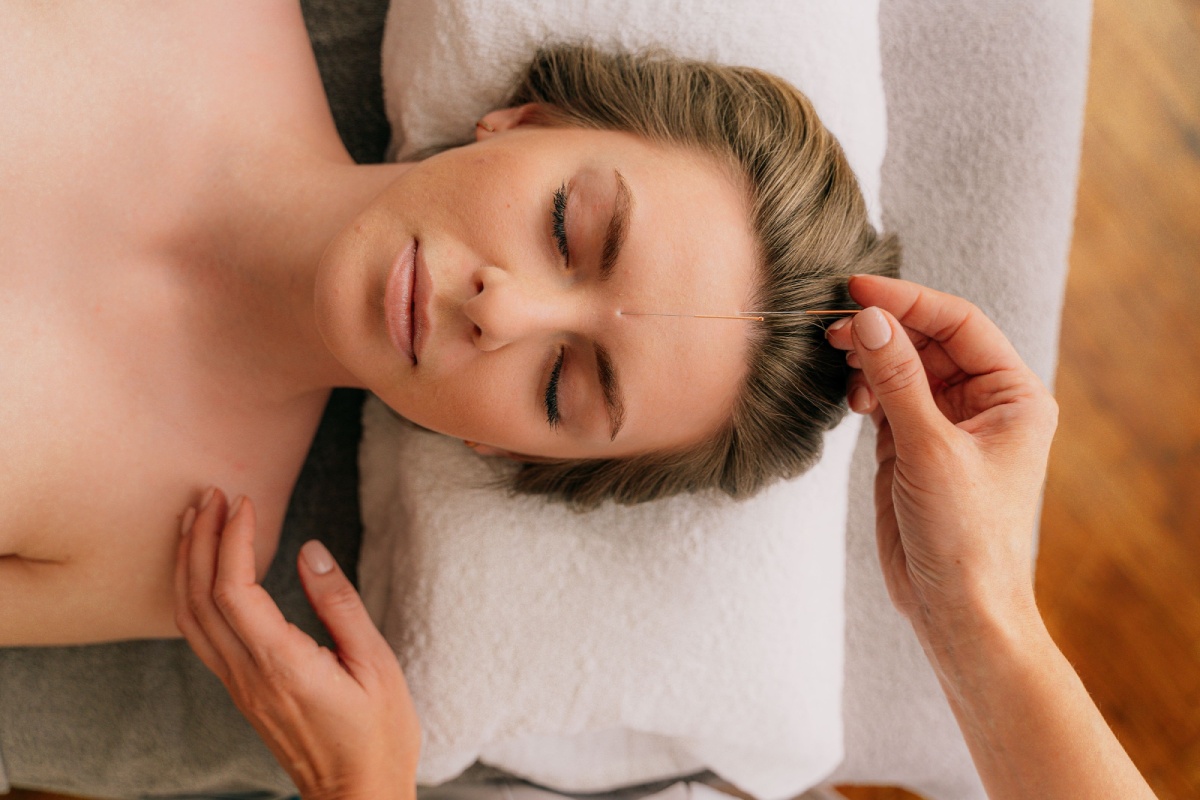
Acupuncture is an established component of traditional Chinese medicine and a valuable complementary approach to managing stress and anxiety symptoms.
By stimulating specific points on the body, acupuncture engages the nervous system and the body’s natural pain-modulating processes.
For patients experiencing anxiety and mental overload, treatment focuses on supporting relaxation and addressing the physical symptoms that often accompany chronic stress.
Patients frequently come to us experiencing several concerns at once:
- Anxiety and difficulty relaxing
- Neck and shoulder tension
- Stress-related headaches
- Difficulty sleeping
- Digestive discomfort
- Fatigue and mental exhaustion
Rather than treating each symptom as a completely separate problem, we look at how they may be connected.
Our goal is to help patients feel calmer, sleep more comfortably, experience less physical tension, and better manage the demands of daily life.
Acupuncture can also complement psychotherapy, medication, and other appropriate mental healthcare.
What Makes Herb + Ōhm Different?
At Herb + Ōhm, we specialize in complex conditions and take a comprehensive approach to healing.
We don’t believe in treating symptoms in isolation.
When someone comes to us for anxiety or mental overload, we want to understand the bigger picture.
How are you sleeping? Are you experiencing hormonal changes? Do you have digestive problems, headaches, or chronic muscle tension? When did your symptoms begin, and what seems to make them worse?
Understanding these patterns helps us create a personalized treatment plan.
Acupuncture, Chinese Medicine & Advanced Healing Technologies
One of the things that makes Herb + Ōhm unique is our ability to combine traditional Chinese medicine with modern therapeutic technologies.
Depending on your individual needs, your treatment may include:
- Acupuncture: Our foundational treatment, used to support relaxation, nervous system regulation, and relief from stress-related physical symptoms.
- Chinese Herbal Medicine: Individualized herbal recommendations to address patterns identified through your health assessment, when appropriate.
- Cupping Therapy: A traditional Chinese medicine technique that uses gentle suction to relieve muscle tension, particularly in the neck, shoulders, and upper back, helping patients feel more physically relaxed.
- Low-Level Laser Therapy (LLLT): A noninvasive light-based therapy we incorporate for selected physical pain and tissue-related concerns.
- Microcurrent Therapy: Gentle electrical stimulation used as a complementary approach to certain physical symptoms.
- Infrared Heat Therapy: Therapeutic warmth that encourages relaxation and helps relieve muscle tension.
- Vibration Therapy: A complementary modality that supports physical relaxation and comfort.
We don’t automatically use every technology on every patient.
We select the combination of therapies that makes the most sense for your symptoms and health goals.
That individualized, strategic approach is central to how we practice.
A Note From Dr. Amy
“One of the things I see so often is patients who are mentally exhausted but physically unable to relax. They’re doing everything they can to manage their stress, yet their bodies still feel like they’re running on overdrive. I want patients to know that there are ways we can support the physical side of stress, too. You shouldn’t have to accept feeling overwhelmed as your normal state.”
— Dr. Amy Wolf, DACM, L.Ac., FABORM
Suggested quote for Dr. Amy’s approval.
Our Three Phases of Healing: Relief, Stabilization & Maintenance
At Herb + Ōhm, we don’t want patients to feel better temporarily only to find themselves right back where they started.
That’s why we approach care through Three Phases of Healing.
Phase 1: Relief — Helping Your Body Begin to Relax
Initially, we focus on the symptoms interfering most with your daily life.
That might include difficulty sleeping, muscle tension, headaches, physical restlessness, or feeling constantly overwhelmed.
Our goal is to help you experience meaningful symptom relief and begin feeling more comfortable in your body.
Phase 2: Stabilization — Making Your Progress More Consistent
As symptoms improve, we focus on helping those improvements become more consistent.
We look at how you’re sleeping, how your body responds to everyday stress, and whether symptoms are returning between treatments.
This phase is about building on your progress rather than repeatedly starting over.
Phase 3: Maintenance — Protecting the Progress You’ve Made
Stress isn’t going to disappear from your life.
There will always be busy seasons, unexpected challenges, and periods when responsibilities increase.
Maintenance care, when appropriate, provides ongoing support for the physical symptoms that can accompany those demanding periods.
Our goal isn’t simply to help you feel better today. It’s to create a plan that supports your well-being over time.
We discuss all three phases from the beginning so you understand what we’re working toward and how we’ll evaluate your progress.
Five Ways to Support Your Nervous System at Home
Professional treatment is only one part of caring for your nervous system.
Small, consistent habits can also make a meaningful difference.
- Give yourself a transition between work and rest. Even 10 minutes without screens, emails, or responsibilities can help establish a boundary.
- Prioritize consistent sleep. Regular sleep and wake times help support recovery.
- Move your body daily. Walking, stretching, strength training, and other enjoyable activities support physical and emotional well-being.
- Reduce unnecessary stimulation. Constant notifications, multitasking, and information overload can contribute to mental exhaustion.
- Ask for support when you need it. Therapy, social connection, and practical help with responsibilities are important parts of managing stress.
If anxiety is persistent, worsening, or interfering with daily functioning, it’s important to seek evaluation from a qualified healthcare professional.
Frequently Asked Questions About Acupuncture for Anxiety
Does acupuncture help with anxiety?
Acupuncture helps patients manage stress-related symptoms and supports relaxation. It is a valuable complementary treatment for people experiencing anxiety alongside physical symptoms such as muscle tension, headaches, and sleep disturbances.
Can acupuncture help with stress-related insomnia?
Acupuncture is commonly used to address stress-related sleep difficulties. We also evaluate other factors contributing to poor sleep so treatment can be tailored to your needs.
How many acupuncture treatments will I need for anxiety?
Every patient is different. We recommend a personalized treatment plan based on your symptoms, health history, and response to care. We also discuss our Three Phases of Healing so you understand how treatment progresses.
Can acupuncture help with anxiety during perimenopause?
Acupuncture is an option for addressing physical symptoms that often accompany perimenopause, including sleep disturbances, tension, and stress. We also consider hormonal changes as part of the overall picture.
Can I continue therapy or anxiety medication while receiving acupuncture?
Yes. Acupuncture can complement an existing mental healthcare plan. Continue prescribed medications and work with your prescribing clinician on any changes.
You Don’t Have to Live in a Constant State of Overwhelm
Feeling stressed occasionally is part of life.
But feeling mentally overloaded, physically tense, exhausted, and unable to relax every day doesn’t have to be something you simply accept.
At Herb + Ōhm, we want to understand what’s contributing to your symptoms and develop a thoughtful, personalized plan to help you feel better.
By combining acupuncture, Chinese medicine, and advanced healing technologies with our Three Phases of Healing, we offer a comprehensive approach to supporting both physical and emotional well-being.
Ready to Feel More Like Yourself Again?
Schedule a consultation at Herb + Ōhm.
We’ll discuss your symptoms, review your health history, and create a personalized plan if our approach is appropriate for your needs.
Herb + Ōhm Acupuncture & Integrative Medicine
Downtown Chicago | North Shore — Bannockburn Coming Soon
BOOK YOUR CONSULTATION →